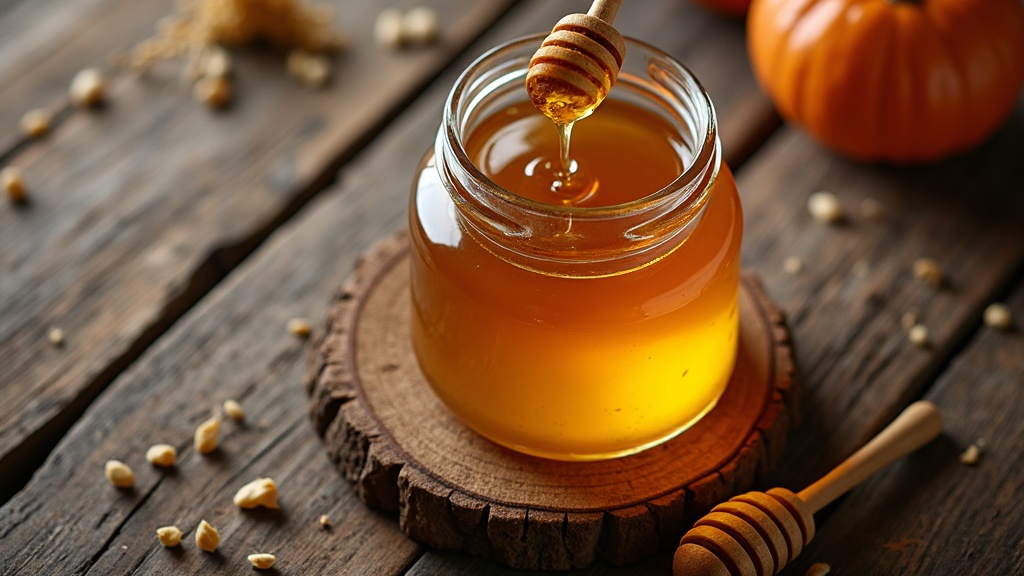
It starts with a warm cup, a spoon of honey, and five quiet minutes before bed — a small pause many people say they look forward to.
It’s 9 pm. You’re standing in the kitchen holding a spoon, replaying a name you just forgot for the third time this week. You’re not alone — here’s what’s usually going on.
Many people notice their sleep becomes lighter or more broken as they move through their 50s, which can leave mornings feeling foggier than before.
Work deadlines, family schedules, and constant notifications pile onto a brain that's already juggling more than it used to.
Between appointments, errands, and everyone else's schedule, there's less quiet time left for the mind to simply rest.
Simple evening rituals — like a warm cup of tea with honey — often get replaced by screens and rushed nights, and that quiet wind-down disappears.
There’s a lot of noise out there. Let’s slow down and look at what’s actually true.
Memory changes mean something is seriously wrong.
Occasional forgetfulness is common at any age and is often tied to sleep, stress, or a packed schedule rather than anything alarming.
Nothing about a nightly routine matters.
Many people say a consistent wind-down routine — even something as small as a warm drink — helps them feel more settled before bed.
Herbal traditions are just old wives’ tales.
Many herbal infusions have been passed down for generations across cultures, often paired with honey for taste and warmth, long before modern research existed.
Nothing complicated. Just three small steps, repeated most nights.
Start with a cup of hot (not boiling) water — the same first step used in old-world tea traditions.
Add your chosen herbal blend and a spoonful of honey, letting it steep for a few quiet minutes.
Sit somewhere quiet, sip slowly, and let the next ten minutes be screen-free before bed.
Long before modern supplement aisles existed, families in many cultures gathered in the evening around a warm cup of herbal tea, often sweetened with honey. It wasn’t treated as medicine — it was simply part of winding down after a long day, a habit handed from grandmothers to grandchildren.
Insight: Many traditional evening rituals share one thing in common — they slow the pace of the day down, on purpose, before sleep.
Forgetting what you were saying partway through a conversation, more often than feels normal for you.
Keys, glasses, or your phone turning up in odd places more frequently than before.
Blanking on names of people you know well, especially in the moment you need them.
A general haze that makes focusing on simple tasks feel heavier than it used to.
Waking up several times a night or feeling like sleep never gets deep enough.
Going straight from screens to bed, with no quiet transition in between.
These testimonials reflect individual experiences and opinions. Results and experiences vary from person to person, and these statements are not a guarantee of any specific outcome.
It’s a traditional herbal infusion, often paired with honey, designed to be part of a simple wind-down routine.
No. This is an educational resource about a traditional evening ritual, not a treatment, diagnosis, or cure for any condition.
No prescription is required, but you should still speak with your healthcare provider before starting any new routine, especially if you take medication.
Most people warm water, stir in the blend, add a spoonful of honey, and sip it slowly before bed.
Honey is a traditional companion ingredient often used for taste, but the core ritual is the quiet wind-down time itself.
This content is aimed at adults 50 and older who are curious about traditional evening routines.
You can watch the full video walkthrough by clicking the button on this page.
Watch the short video that walks through this traditional evening ritual, start to finish.
Advertising Disclosure: This is a sponsored advertisement featuring affiliate links. If you click through and make a purchase, we may receive a commission at no additional cost to you. This content is intended for promotional purposes and reflects a paid partnership.
Content Disclaimer: This content is for educational and informational purposes only. It has not been evaluated by the Food and Drug Administration. This product is not intended to diagnose, treat, cure, or prevent any disease. Always consult a qualified healthcare professional before making changes to your health routine.
Results Disclaimer: Individual results vary from person to person. The testimonials shared on this page reflect personal experiences and are not a guarantee of similar outcomes for every individual.
© 2026 · All Rights Reserved